
16 October, 2025
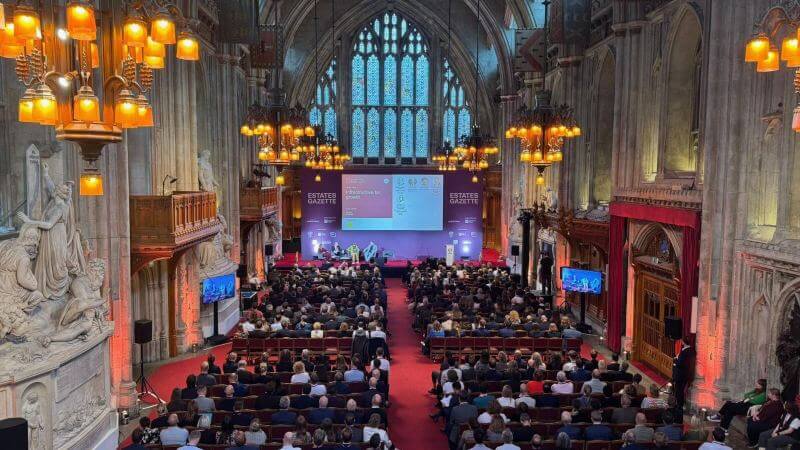
Partnership Delivery, Regeneration and Residential: Reflections from the London Real Estate Forum
Learn more
13 July, 2026 · 3 min read
Viability challenges continue to bedevil planning and development across the UK, with urban regeneration coming under particular pressure. Diversification of uses could be a route to unlock such schemes while reducing risk, successful delivery of which requires adoption of a master-developer approach to delivery – fully supported or adopted by public sector partners.
Over the last few years, we have seen a clear trend towards diversification of uses and tenures within regeneration schemes. Gone are the days where schemes would comprise wholly open market and traditional affordable tenure residential, other than in very select locations. Regeneration schemes now generally target a full range of living tenures and activity-generating non-residential uses, including multi- and single-family build to rent, PBSA, co-living and later living, hotels, commercial or civic offices and flexible ground floor uses.
You may ask, why complicate my project in this way? Ultimately, it is about de-risking. The aforementioned diversity reduces potential downsides through targeting multiple sectors, investor/occupier markets and sources of funding, all at once. In addition, most of these uses seek to reduce delivery, exit and funding risk through forward funding, forward purchase and pre-letting.
By reducing risk one can, at least in theory, access easier and cheaper funding, thereby necessitating a lower minimum profit hurdle and making the difference between a viable and unviable project.
Successfully implementing a spread of uses across a project means either using in-house multi-sector expertise, or partnering with multiple sub-developers, contractors and operators, able to coordinate a consistent vision and commercial strategy across multiple sectors. In short, master-developer capability is essential.
At its most extreme, this role focuses only on establishing the project’s vision, securing planning consent and delivering enabling works; the development of the buildings themselves is handled entirely by partners, or via disposal of serviced land parcels. There is of course scope for the developer to directly deliver too. It can also be flexible, with the approach across plots being varied to manage direct market risk exposure, allowing each use to be delivered by the best-suited party, enabling greater specialisation and value.
In recent history there have been relatively few developers occupying this solely master-developer space, at least in an urban regeneration context. Yet the need for these skills is increasing in the face of the significant headwinds facing the sector.
This shift has been recognised by Homes England in its new Strategic Plan 2025-2030, which aims to support more of the private development market into this master-developer role.
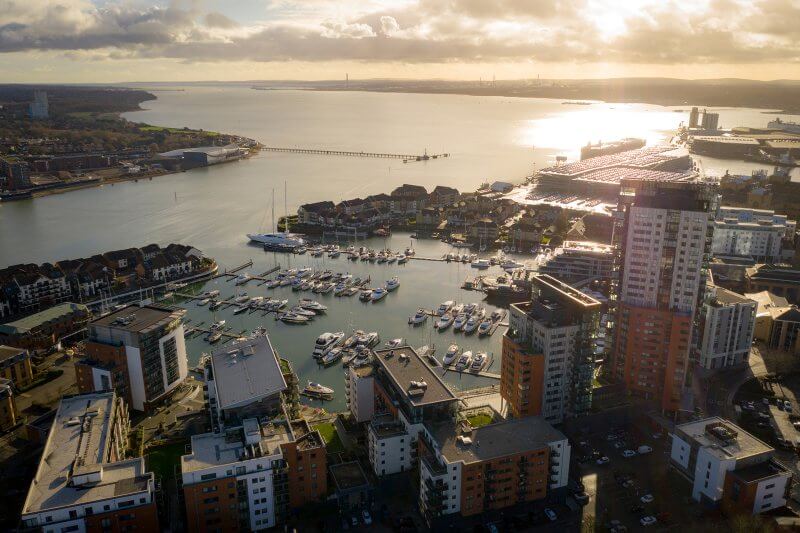
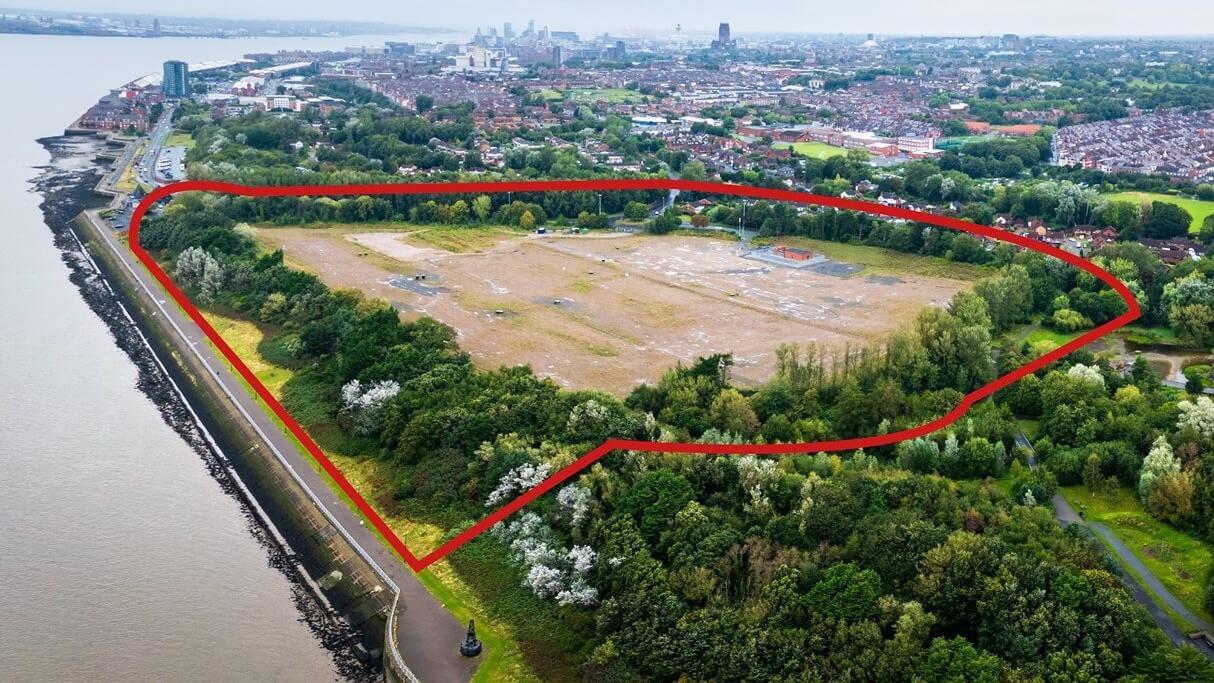
We are seeing this first-hand across projects and for developers who traditionally would have only directly delivered. In different ways, our projects at Liverpool Festival Gardens, Portsmouth City Centre North and Royal Albert Dock, east London, are all following this pattern.
In tandem, local authorities and other regeneration bodies can create a more open environment for unlocking opportunities by taking a more strategic – and flexible – approach.
This includes landowners and public authorities creating flexible masterplans and planning policies, as well as earlier, wider and more proactive market engagement to a range of developers, investors and operators of different uses and tenures, including encouraging consortia approaches.
Flexibility can also be embedded around land transfer and pricing mechanisms, while staying on the right side of Best Consideration obligations. Public landowners can also accept some increased delivery risk, moving away from “one stop shop” development and funding models. Or the public sector can take on more of this master-developer role, provided it is backed by sufficient resources.
Naturally there are other factors at play. Grant support may still be required, and market conditions will continue to test even the most robust schemes. But regeneration projects that combine a genuinely diversified strategy with a strong master‑developer role – and a more flexible, enabling public‑sector approach – are far better placed to navigate these challenges.
Taken together, these shifts redefine what is realistically achievable for urban regeneration in the current market. They provide a stronger commercial and governance platform for delivery, while allowing schemes to respond to changing demand over long(er) timescales. Crucially, they also enable regeneration to serve a broader mix of residents, businesses and visitors, maximising both place‑making outcomes and economic impact.
Related insights
16 October, 2025
Learn more
6 October, 2025
Learn more
16 September, 2025
Learn more
11 September, 2025
Learn more ↗