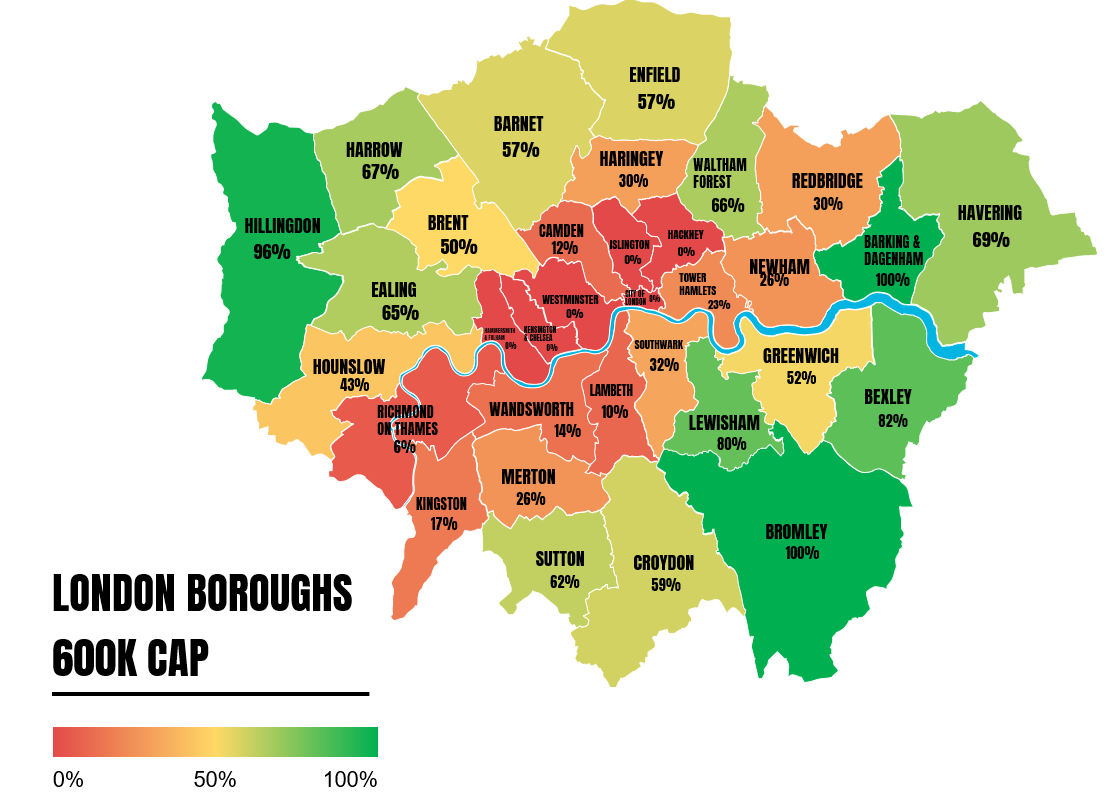
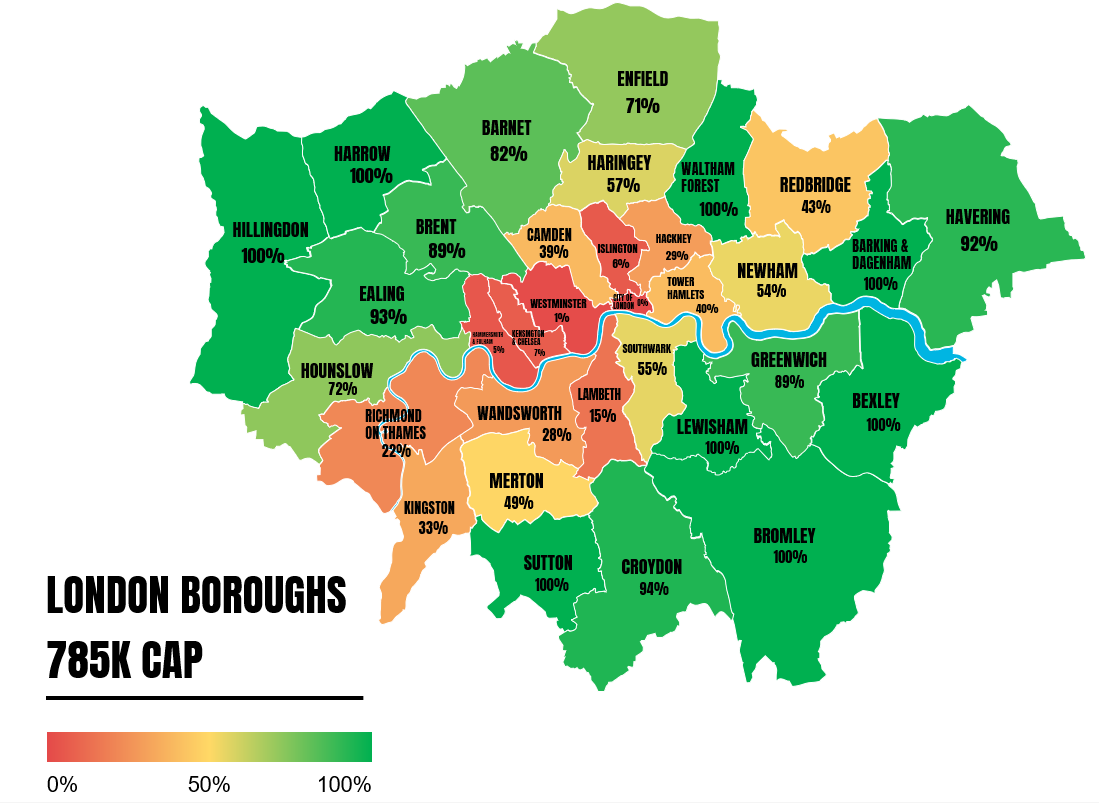
The £785,000 figure may sound high but based on a 3.5x mortgage multiple, this requires a household income of circa £133,000 – equivalent to two workers at slightly less than the mean individual London workplace-based earnings (or, for example, one at the upper quartile and one at the 40th percentile). In other words, this is now not an unusual household income for the capital.
If this is the case, then, why is help required?
We are in a different world of interest rates from the period of Help to Buy. Not only is the cost of borrowing hugely higher but there is now a significant premium attached to low loan-to-value mortgages. To secure the best rates, a deposit of at least 20% – £157,000 for a £785,000 property – would be required. Given high rents, this would be very difficult for even those on the household incomes described here to save. So a stimulus is needed.
This would also make development in the capital far more viable and undoubtedly accelerate delivery. Construction starts in London remain at the lowest levels on record, with major implications for the city’s competitiveness and the wider housing crisis.
There are also concerns about economic scarring, with the supply chain potentially damaged long-term if low activity persists. This would make it harder for construction to recover once conditions improve creating further impact on delivery of new homes for the Capital.
London’s very specific problems – and the depth of its supply crisis – require more specific solutions, and as a minimum a higher cap in the capital is necessary if this policy is to have the impact the government wants.
The devil will be in the detail which will be unveiled next week – let’s hope the Emperor’s threads are genuinely visible!