

8 October, 2026
THE EVOLUTION OF TOWNSCAPE: ACCOMMODATING GROWTH, ASSESSING SIGNIFICANCE AND COMMUNICATING CHANGE
by Chris Miele, Ben Tosland
Learn more
28 September, 2026 · 2 min read
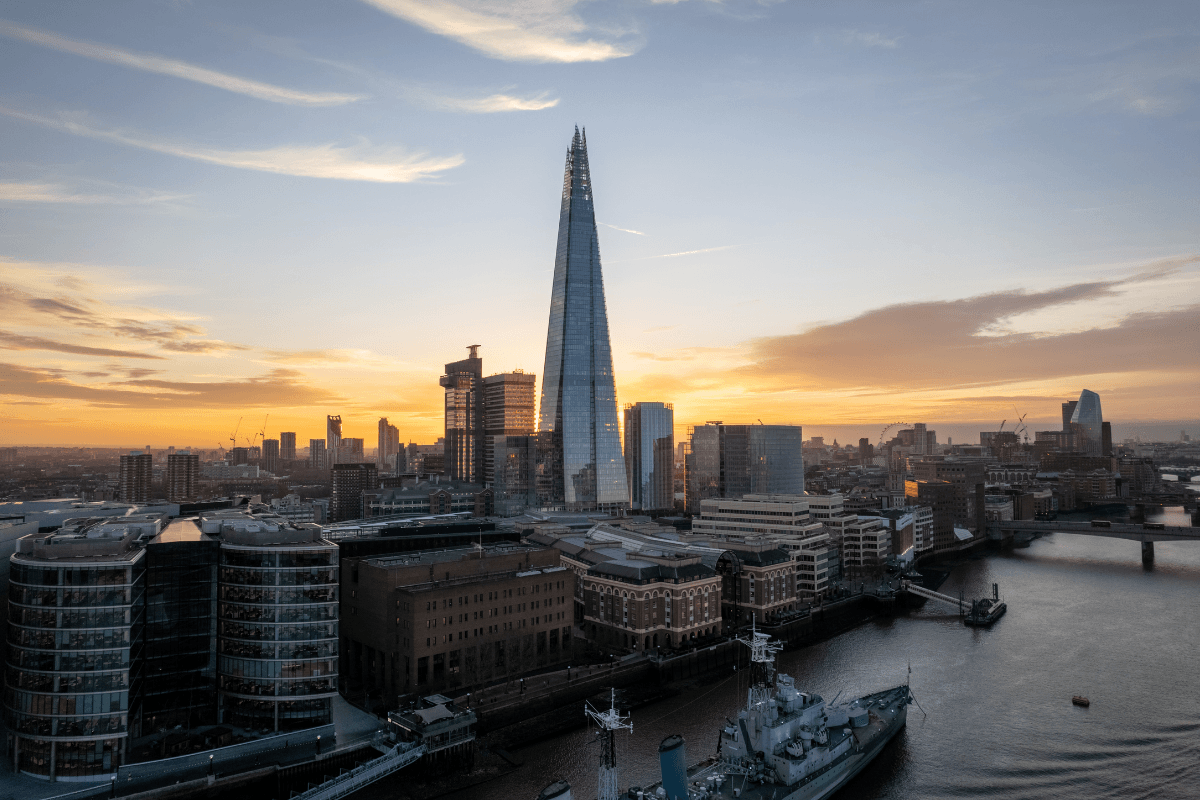
The Planning Inspectors examining the emerging City Plan 2040 have endorsed the City Corporation’s proposed tall building contours for the City Cluster. For developers, landowners and investors, this is a significant outcome: it retains the anticipated height parameters and avoids a more restrictive alternative that could have removed a minimum estimate of 32,000sqm of potential office floorspace capacity from the City Cluster.
The examination hearings were reconvened in response to the Secretary of State’s direction of 16 July 2026 directing the Inspectors to consider whether the proposed City Cluster contours provided appropriate protection for the Tower of London World Heritage Site, particularly in light of concerns raised by UNESCO, Historic England, Historic Royal Palaces and others regarding the cumulative impact of future tall buildings on its Outstanding Universal Value (‘OUV’). The Inspectors ultimately concluded that the City Plan approach strikes an appropriate balance between heritage protection and economic growth.
Emma Lawrence and Kate Falconer Hall, both Partners in Montagu Evans’ Historic Environment and Townscape team, participated in the reopened examination on behalf of the City Property Association (CPA). They provided heritage and townscape input to the CPA’s written evidence, with Emma attending the hearing on 2 September 2026 to make representations to the Inspectors on the two contour proposals under consideration.
What was debated at the reopened hearing?
The reopened hearings focused on a series of interconnected questions about the economics of the City Cluster and the extent to which the reduced height contours proposed by Historic England were necessary to safeguard the OUV of the Tower of London World Heritage Site.
A key factor underpinning the debate was the City Cluster’s strategic importance as a location capable of accommodating substantial employment and office growth. The Inspectors appeared receptive to arguments that the economic benefits of the cluster could not easily be replicated elsewhere in the City and were not persuaded that capacity lost through lower contours could simply be redistributed to other locations. As a result, considerable discussion was had about the need for the City Plan 2040 to retain sufficient flexibility to accommodate future demand, investment and growth.
The hearings also explored the role of the City Cluster contours within the wider planning framework. A key issue was whether heritage impacts should be addressed primarily through height parameters set at plan-making stage or through the detailed assessment of individual proposals. Historic England argued that the contours would inevitably be interpreted as a signal that development up to those heights was acceptable in principle, whereas the City Corporation maintained that they were a starting point, with heritage impacts ultimately assessed through the development management process.
Linked to this, the Inspectors also explored whether lower contours would necessarily deliver better heritage outcomes, inviting discussion on whether reducing height limits could restrict design flexibility and make it harder to achieve high-quality design solutions that minimise heritage impacts.
The Inspectors’ findings
The Inspectors concluded that the City Corporation’s proposed contours strike the appropriate balance between protecting the heritage significance of the Tower of London World Heritage Site and facilitating the City’s economic growth. They found no justification for replacing the City’s contours with the more restrictive alternative proposed by Historic England, which could have resulted in a reduction of approximately 32,000sqm of potential office floorspace capacity.
While acknowledging that Historic England’s contours may create a more graduated eastern profile, the Inspectors concluded that both approaches would preserve the visibility, prominence and legibility of the White Tower. They were not persuaded that the reduced contours would deliver a materially greater level of protection to the OUV of the Tower of London World Heritage Site.
By contrast, the Inspectors considered the economic consequences of the reduced contours to be more clearly evidenced and substantial than the modest heritage benefit of the reduced contours in certain views. They accepted that reducing the developable envelope within the City Cluster would constrain office capacity and potentially affect viability, deliverability and investor confidence within one of London’s most important commercial locations.
Finally, the Inspectors placed weight on the application of the policies of City Plan 2040 as a whole, London Plan policies, national policy and the role of project-specific Heritage Impact Assessments, recognising that the acceptability of future schemes will ultimately depend on their detailed design and assessment of impacts.
What does this mean for development? Key implications for the City Cluster and beyond
For applicants and investors, the findings provide a strong endorsement of the City’s evidence base and growth strategy, offer greater certainty over the direction of travel for the City Cluster, and remove the immediate prospect of more restrictive contours. That said, the decision should not be interpreted as a relaxation of heritage controls. UNESCO’s continuing concerns regarding the OUV of the Tower of London World Heritage Site mean that tall building proposals within its setting, including in the City Cluster, are likely to remain subject to close scrutiny for the foreseeable future.
UNESCO’s position and the Inspectors’ conclusions reinforce the importance of robust, scheme-specific Heritage, townscape and Visual Impact Assessments and design mitigation for individual schemes within the City Cluster.
Finally, the findings in this case are likely to be influential beyond the City of London. The Inspectors effectively conclude that where additional restrictions would deliver only marginal heritage benefits, those benefits may not justify significant constraints on growth and development capacity. The decision therefore provides a noteworthy example of how inspectors may approach striking the balance between heritage protection and economic growth when examining local plans.
Related insights
8 October, 2026
by Chris Miele, Ben Tosland
Learn more
23 July, 2026
by Craig Blatchford
Learn more

1 June, 2026
Learn more

29 May, 2026
by Jon Neale
Learn more